

How to change the polarity of a two way toggle switch?
Leave a message

Changing the polarity of a two-way toggle switch can be a crucial task in various electrical applications. As a supplier of two-way toggle switches, I understand the importance of having a clear understanding of this process. In this blog post, I'll guide you through the steps to change the polarity of a two-way toggle switch, explain the science behind it, and discuss some common applications where this might be necessary.
Understanding the Basics of a Two-Way Toggle Switch
Before we dive into changing the polarity, let's first understand what a two-way toggle switch is. A two-way toggle switch is a type of electrical switch that has two positions: on and off. It is commonly used to control the flow of electricity in a circuit. The switch works by making or breaking the electrical connection between two points in the circuit.
The two-way toggle switch has three terminals: a common terminal (COM), a normally open terminal (NO), and a normally closed terminal (NC). The common terminal is the one that is connected to the power source, while the normally open and normally closed terminals are connected to different parts of the circuit. When the switch is in the on position, the common terminal is connected to the normally open terminal, allowing electricity to flow through the circuit. When the switch is in the off position, the common terminal is connected to the normally closed terminal, interrupting the flow of electricity.
Why Change the Polarity?
There are several reasons why you might need to change the polarity of a two-way toggle switch. One common reason is to reverse the direction of current flow in a circuit. This can be useful in applications such as motors, where changing the polarity can reverse the direction of rotation. Another reason is to change the functionality of the switch. For example, you might want to change a switch that turns a light on when it is flipped up to turn the light on when it is flipped down.
Tools and Materials Needed
Before you start changing the polarity of a two-way toggle switch, you'll need to gather the following tools and materials:
- A two-way toggle switch
- A screwdriver (usually a Phillips or flathead, depending on the switch)
- Electrical tape
- A wire stripper
- A multimeter (optional, but useful for testing the circuit)
Step-by-Step Guide to Changing the Polarity
Now that you have the necessary tools and materials, let's walk through the steps to change the polarity of a two-way toggle switch:
Step 1: Turn Off the Power
Before you start working on the switch, it's crucial to turn off the power to the circuit. This will prevent you from getting electrocuted. Locate the circuit breaker or fuse box that controls the circuit and switch it off.
Step 2: Remove the Switch Cover
Use the screwdriver to remove the screws that hold the switch cover in place. Carefully lift the cover off the switch.
Step 3: Identify the Terminals
Once the cover is removed, you'll be able to see the terminals of the switch. Identify the common terminal (COM), the normally open terminal (NO), and the normally closed terminal (NC). You can usually find this information printed on the switch or in the manufacturer's documentation.
Step 4: Disconnect the Wires
Use the screwdriver to loosen the screws that hold the wires in place on the terminals. Carefully remove the wires from the terminals. Make sure to keep track of which wire was connected to which terminal. You can use a piece of tape to label the wires if necessary.
Step 5: Reverse the Wires
To change the polarity of the switch, you'll need to reverse the wires connected to the normally open and normally closed terminals. Connect the wire that was originally connected to the normally open terminal to the normally closed terminal, and vice versa.
Step 6: Reconnect the Wires
Once you've reversed the wires, use the screwdriver to tighten the screws on the terminals, securing the wires in place.
Step 7: Replace the Switch Cover
Carefully place the switch cover back on the switch and use the screwdriver to tighten the screws.
Step 8: Turn On the Power
After you've replaced the switch cover, turn the power back on at the circuit breaker or fuse box.
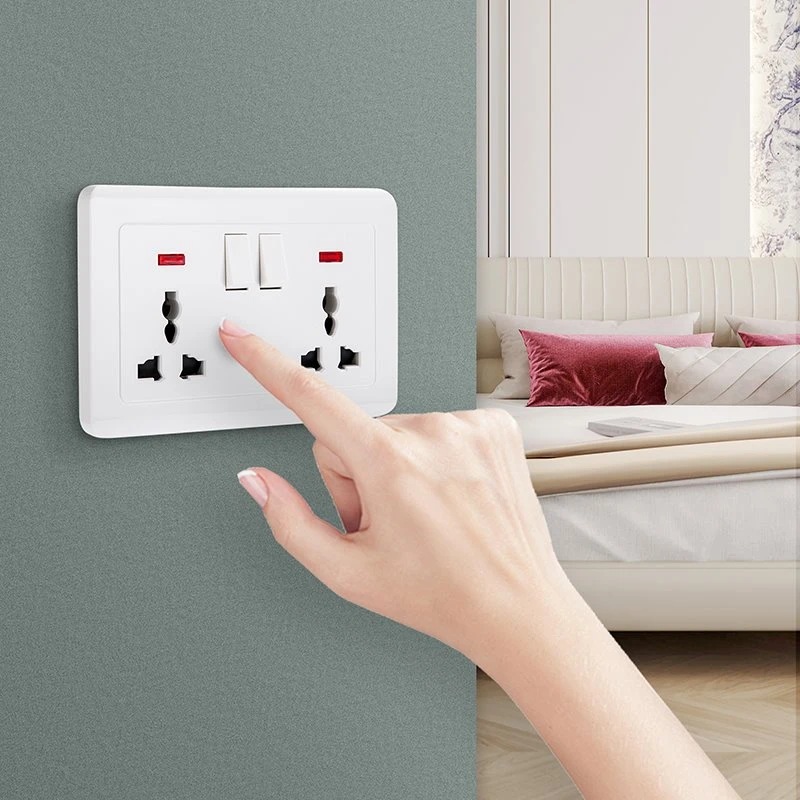

Step 9: Test the Switch
Use a multimeter or simply test the switch by flipping it on and off. Make sure the switch is functioning correctly and that the polarity has been changed as desired.
Common Applications
Changing the polarity of a two-way toggle switch can be useful in a variety of applications. Here are some examples:
Motor Control
As mentioned earlier, changing the polarity of a switch can reverse the direction of rotation of a motor. This is commonly used in applications such as electric fans, conveyor belts, and robotic arms.
Lighting Control
You can also use a two-way toggle switch with changed polarity to control the lighting in a room. For example, you might want to install a switch at the top and bottom of a staircase to control the same light. By changing the polarity of one of the switches, you can ensure that the light can be turned on and off from either location.
Audio Equipment
In audio equipment, changing the polarity of a switch can be used to reverse the phase of a signal. This can be useful in applications such as headphones and speakers to improve the sound quality.
Related Products
As a two-way toggle switch supplier, we also offer a range of related products that might be of interest to you. Check out our 2 Way Pull Cord Switch, Two Way Push Button Switch, and 2 Way Switch with Indicator.
Conclusion
Changing the polarity of a two-way toggle switch is a relatively simple process that can have a significant impact on the functionality of your electrical circuits. By following the steps outlined in this blog post, you can safely and effectively change the polarity of your switch. If you have any questions or need further assistance, don't hesitate to contact us. We're here to help you with all your two-way toggle switch needs. Whether you're a DIY enthusiast or a professional electrician, we have the products and expertise to meet your requirements. Contact us today to discuss your specific needs and explore our range of high-quality two-way toggle switches.
References
- Electrical Engineering: Principles and Applications by Allan R. Hambley
- Wiring a House by Carlton Bale


