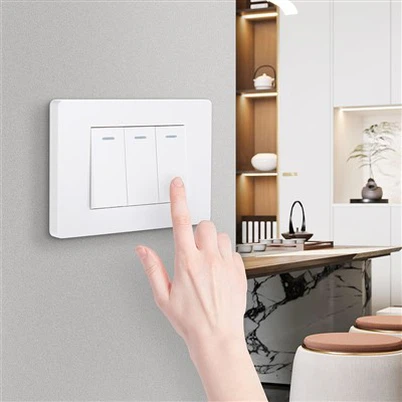
Do three way smart switches require a neutral wire?
Leave a message

Do three way smart switches require a neutral wire? This is a question that often comes up among homeowners, electricians, and those interested in home automation. As a supplier of three way smart switches, I've encountered this query numerous times, and I'm here to shed some light on the matter.
Understanding Three Way Switches
First, let's understand what a three way switch is. A three way switch is a type of electrical switch that allows you to control a single light or group of lights from two different locations. This is commonly used in hallways, staircases, and large rooms where it's convenient to turn the lights on or off from either end. Traditional three way switches have been around for a long time and operate based on a simple electrical circuit.
In a standard three way switch setup, there are two switches connected to a common light fixture. When one switch is toggled, it changes the electrical path, allowing the current to flow through the other switch and reach the light. This setup has been reliable for decades, but with the advent of smart home technology, things have become a bit more complex.
The Role of the Neutral Wire
A neutral wire is an essential part of an electrical circuit. It provides a return path for the electrical current, completing the circuit and allowing the electricity to flow safely and efficiently. In a typical household electrical system, the hot wire carries the current from the power source to the device (in this case, the light switch), and the neutral wire returns the current back to the source.
In the context of smart switches, the neutral wire plays a crucial role. Smart switches require a continuous power supply to operate their internal electronics, such as Wi - Fi or Zigbee modules, sensors, and displays. Without a neutral wire, it can be challenging to provide this continuous power.
Three Way Smart Switches and Neutral Wires
Now, let's address the main question: Do three way smart switches require a neutral wire? The answer is not a simple yes or no.
Some three way smart switches do require a neutral wire. These switches are designed to operate in a more traditional electrical setup where a neutral wire is readily available. The presence of a neutral wire allows the switch to have a stable power source, which is essential for the proper functioning of its smart features. For example, if you want your switch to be able to connect to your home Wi - Fi network, receive commands from a smartphone app, or integrate with other smart home devices, a neutral wire can ensure that the switch has the necessary power to perform these tasks.
However, there are also three way smart switches available in the market that do not require a neutral wire. These switches are designed with innovative technology that allows them to operate without a dedicated neutral wire. They typically use a technique called "power stealing" or "load - side powering." In this method, the switch draws a small amount of power from the light fixture itself. When the light is off, the switch still gets enough power to maintain its smart functions.
Advantages and Disadvantages of Neutral - Required and Neutral - Free Three Way Smart Switches
Neutral - Required Three Way Smart Switches
- Advantages:
- Stable Power Supply: With a neutral wire, the switch has a consistent and reliable power source. This means that the smart features are less likely to experience glitches or malfunctions due to power issues.
- Full Functionality: These switches can offer a wider range of smart features, such as more accurate energy monitoring, seamless integration with other smart home systems, and faster response times.
- Disadvantages:
- Installation Complexity: If your existing electrical system does not have a neutral wire at the switch location, installing a neutral - required three way smart switch can be challenging and may require rewiring. This can increase the cost and time of installation.
Neutral - Free Three Way Smart Switches
- Advantages:
- Easy Installation: These switches are ideal for older homes or electrical systems where a neutral wire is not available. They can be installed without the need for extensive rewiring, making them a more convenient option for DIYers.
- Cost - Effective: Since there is no need for additional wiring work, the overall cost of installation can be lower.
- Disadvantages:
- Limited Power: The power stealing technique used by these switches may not provide as much power as a dedicated neutral wire. This can result in some limitations in terms of the smart features available or slightly reduced performance.
- Compatibility Issues: Some neutral - free switches may have compatibility issues with certain types of light fixtures, especially those with low - wattage bulbs or LED lights.
Our Product Offerings
As a supplier of three way smart switches, we offer a wide range of products to meet different customer needs. Our 3 Way Smart Light Switch is available in both neutral - required and neutral - free options. Our neutral - required switches are designed for modern homes with a standard electrical setup, providing advanced smart features and reliable performance. On the other hand, our neutral - free switches are perfect for older homes or situations where rewiring is not feasible.
We also offer 3 Way Wireless Light Switch solutions. These switches eliminate the need for complex wiring altogether, providing a convenient and flexible way to control your lights from multiple locations. Additionally, our 3 Way Touch Lamp Switch offers a stylish and user - friendly option for controlling lamps with a simple touch.
Making the Right Choice
When choosing a three way smart switch, it's important to consider your specific needs and the existing electrical setup in your home. If you have a modern home with a neutral wire available at the switch location, a neutral - required switch may be the best option for you. It will provide a more stable and feature - rich smart home experience.
However, if you have an older home or do not want to go through the hassle of rewiring, a neutral - free switch or a wireless switch may be more suitable. These options can still offer many of the benefits of smart home technology without the need for extensive electrical work.
Conclusion
In conclusion, whether three way smart switches require a neutral wire depends on the specific product. There are options available for both scenarios, allowing you to choose the best solution for your home. As a supplier, we are committed to providing high - quality three way smart switches that meet your needs.
If you're interested in purchasing our three way smart switches or have any questions about our products, we encourage you to reach out to us for a purchasing consultation. We have a team of experts who can guide you through the selection process and ensure that you get the right switch for your home.


References
- Electrical Wiring Handbook, 18th Edition
- Smart Home Technology: A Comprehensive Guide
- National Electrical Code Standards